What's in baby diapers? California bill would require manufacturers to disclose ingredients

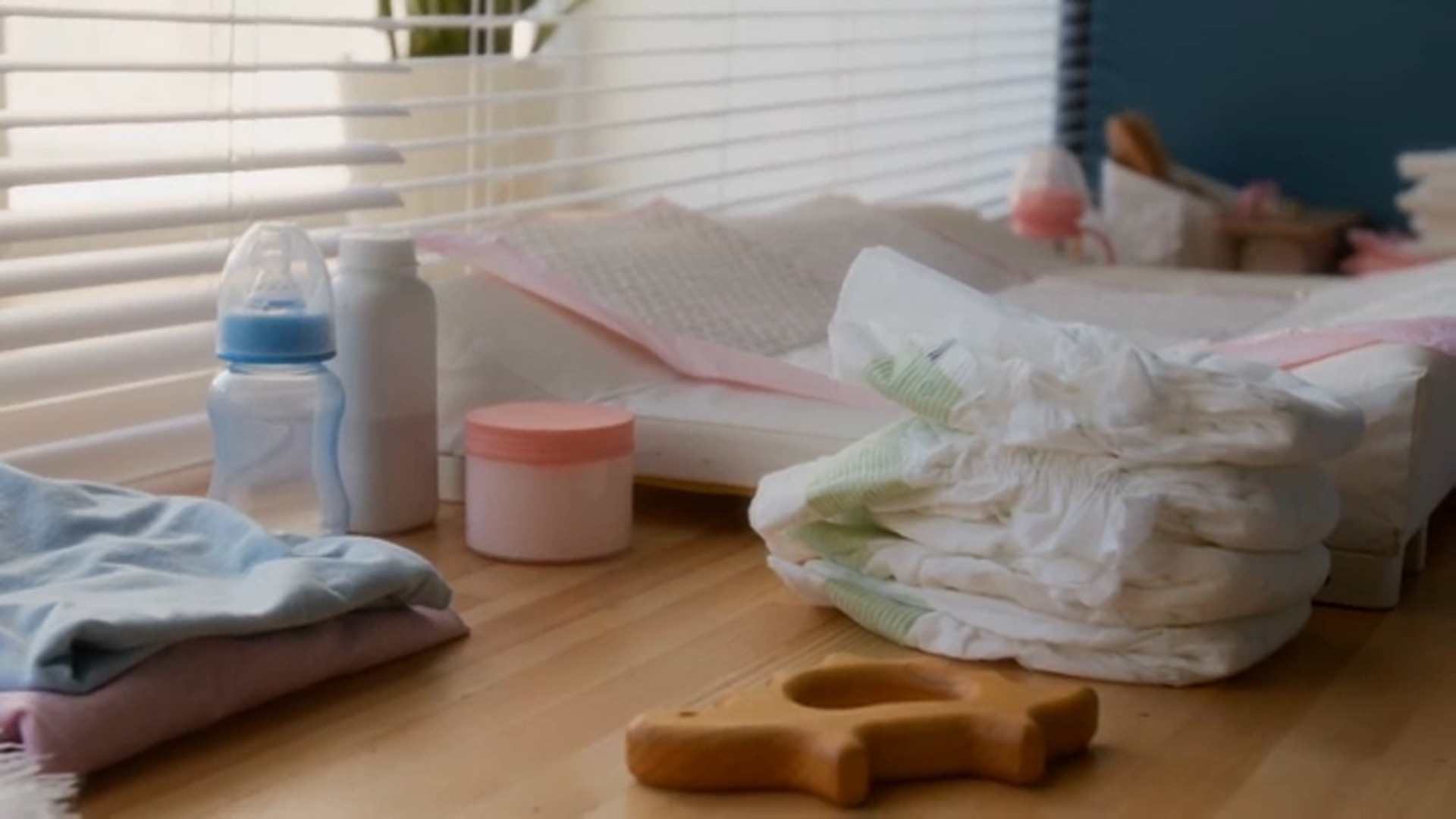
LOS ANGELES (KABC) -- Parents often choose diapers based on performance, comfort and leak protection, but a California lawmaker says many consumers do not know what ingredients are in the products they buy.
Assemblyman Marc Berman has introduced AB 1901, a bill that would require diaper manufacturers to disclose intentionally added ingredients.
The measure is backed by actress and activist Hilary Swank, pediatric-safety diaper brand HealthyBaby and the Environmental Working Group.
"Parents deserve better than a guessing game," said Berman, who added that many diaper manufacturers do not provide complete ingredient information to consumers.
"Companies are hiding behind vague terms like fragrance, which can mask hundreds of undisclosed chemicals," he said.
Consumer Reports examined the ingredient lists of 31 diaper products and found that seven provided little to no information, according to supporters of the legislation.
"This bill will require all diaper manufacturers to clearly disclose the intentionally added ingredients in their diapers," Swank said.
Concerns about diaper ingredients have centered on chemicals that may be present in diaper materials.
"Diaper materials can contain chemicals like phthalates and VOCs, which have been linked to serious long-term health concerns," said Oriene Shin of Consumer Reports.
Diapers are currently exempt from mandatory federal ingredient-labeling requirements. AB 1901 is awaiting a vote in the California Senate.
Some parents say they try to limit their children's exposure to dyes and chemicals but also want products that perform well.
"I guess durability for leakage, most of the time just make sure it doesn't leak and that it's comfortable for him," said Ana Maria, a Burbank mother.
New mom Emily said she looks for products with fewer additives. "I really do look for minimal dyes and chemicals," she said. However, she said some alternatives have not worked as well.
"They weren't the best with keeping in urine," she said.
Alternative diapers that are bleach-free and dye-free are often more expensive. While plastic components remain important for diaper performance, the script notes that although independent research has identified chemicals such as phthalates, toluene and xylene as endocrine disruptors, there is no proven immediate health risk associated with the levels detected in today's diapers.